Vancouver's wet season runs roughly October through April — about 170 rainy days annually. Whether that matters for your renovation depends entirely on what you are renovating.
Interior work is weather-neutral. A kitchen or bathroom renovation proceeds the same in February as in July. Exterior and structural work is a different calculation: ground conditions, material exposure, and crew logistics all shift when it rains for weeks at a time.
This guide separates the two, then covers how to use the permit process to schedule your project efficiently regardless of season.
Work That Is Season-Sensitive
Foundations and Excavation
Ground work in Vancouver's wet season is significantly harder. Saturated clay soils compact poorly and require more subgrade remediation than the same work performed in dry conditions. Excavation for foundations, footings, and drainage systems is typically scheduled for the dry season (May through September) when possible.
Framing, Additions, and Laneway Houses
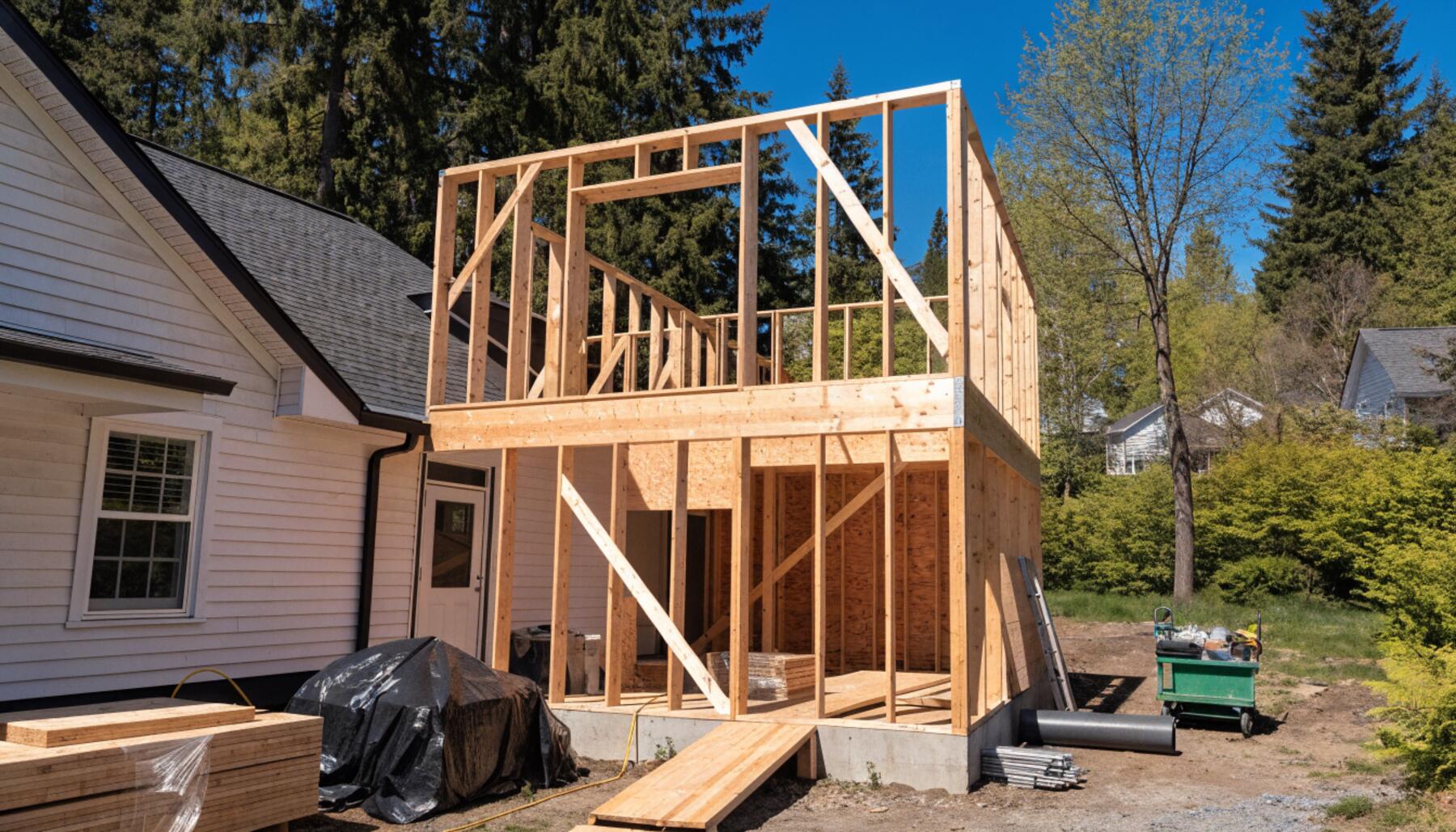
New framing tolerates rain exposure during construction, but extended exposure during Vancouver's wet months increases the risk of moisture absorption before the building is dried in. Structural additions and laneway houses are best started in spring (April or May) so framing can dry in before fall rains arrive. A project that breaks ground in April has 5 to 6 months of good working conditions.
Roofing
Roofing work during active rain creates obvious exposure risk during tear-off. Emergency repairs happen in any weather, but planned roof replacement or re-cladding is correctly scheduled for the dry season.
Decks and Exterior Finishing
Deck coatings, stains, and painted finishes require dry surfaces and temperatures above about 10 degrees Celsius to cure properly. Exterior finishing work planned for October through March is speculative. Schedule it for May through September.
Work That Is Not Season-Sensitive
Kitchen Renovations
A kitchen renovation is entirely interior work. Demolition, cabinetry installation, plumbing rough-in, countertop fabrication, and tile work are unaffected by outside weather. The only seasonal variable is contractor availability, not the work itself.
Bathroom Renovations
Same logic. Waterproofing, tile, vanity installation, and plumbing work indoors are independent of season. A bathroom renovation scheduled in January runs identically to one in June.
Basement Suites and Basement Finishing
Below-grade interior work has no seasonal constraint on the work itself. If the basement requires excavation to address drainage or ceiling height through underpinning, that portion is season-sensitive. The finishing — framing, drywall, electrical, kitchen and bathroom fit-out — is not.
The Permit Strategy: Use the Wet Season Productively
The City of Vancouver's standard residential permit review runs approximately 4 to 8 weeks. That review window is dead time on construction but live time on planning.
A homeowner planning an addition or laneway house for a spring start can submit the permit application in September or October. By the time approval arrives in November or December, the worst of the winter weather is still ahead. The project can spend January and March on final design, material selection, and subcontractor coordination, then break ground in April when conditions improve.
For the permit process in detail, see Vancouver renovation permit process.
Contractor Availability
Summer is peak demand for renovation contractors in Metro Vancouver. June through August brings the highest volume of project starts, which means longer lead times to secure a start date and tighter subcontractor schedules.
A project that starts in September or October often benefits from more available contractor time and more focused attention than the same project competing with peak summer demand. This is a pattern, not a rule, and the right contractor for a project is the right choice regardless of timing. But for homeowners with flexibility on start date, fall and winter project starts are worth considering.
Summary by Project Type
| Project Type | Season-Sensitive? | Best Window |
|---|---|---|
| Kitchen renovation | No | Any time |
| Bathroom renovation | No | Any time |
| Basement suite or finishing | No (unless excavation) | Any time |
| Home addition | Yes | April-September |
| Laneway house | Yes | April-September (break ground) |
| Roofing | Yes | May-September |
| Deck construction and finishing | Yes | May-September |
See the laneway house builder page for typical construction timelines on laneway projects. To get a line-item quote with a project schedule built in, start here.