Metro Vancouver
Apartment Renovation Vancouver
Apartment renovation in Vancouver is primarily a landlord decision. The driver is the rent roll, not a personal design preference. A vacancy between tenancies i...
Overview
Apartment Renovation Vancouver — What to Know Before You Start
Apartment renovation in Vancouver is primarily a landlord decision. The driver is the rent roll, not a personal design preference. A vacancy between tenancies is the window. The question is what scope of renovation justifies the investment relative to the rent increase it produces, and how fast it can be done.
Vancouver's pre-strata rental apartment stock, buildings constructed from the 1950s through the 1980s in the West End, Kitsilano, Mount Pleasant, East Vancouver, and New Westminster, is structurally sound and functionally dated. The bones are concrete frame or wood frame. The kitchens and bathrooms are tired. The flooring has accumulated decades of wear. These buildings are the core of the city's rental supply and the primary scope on this page.
The renovation approach for a rental apartment is deliberate: targeted surface scope, fast turnaround, durable materials that hold up through tenancy cycles, and finishes that photograph well for the listing. A full gut renovation of a rental apartment rarely pencils against the Vancouver rent roll unless the unit has been uninhabitable for years. The right scope is the one that maximizes net rent increase per dollar spent, delivered inside the vacancy window.
Right Fit
Is this the right service for your project?
Landlords renovating a rental apartment between tenancies to support a higher asking rent
Purpose-built rental building owners updating units through a suite refresh program
Property owners with non-legal secondary suites that need to be legalized before sale or re-tenanting
Investors acquiring older rental buildings with dated suites requiring a renovation program across multiple units
For owner-occupied strata units where the strata council approval process applies, condo renovation covers that distinct process.
Scope
What an Apartment Renovation Covers
Flooring replacement
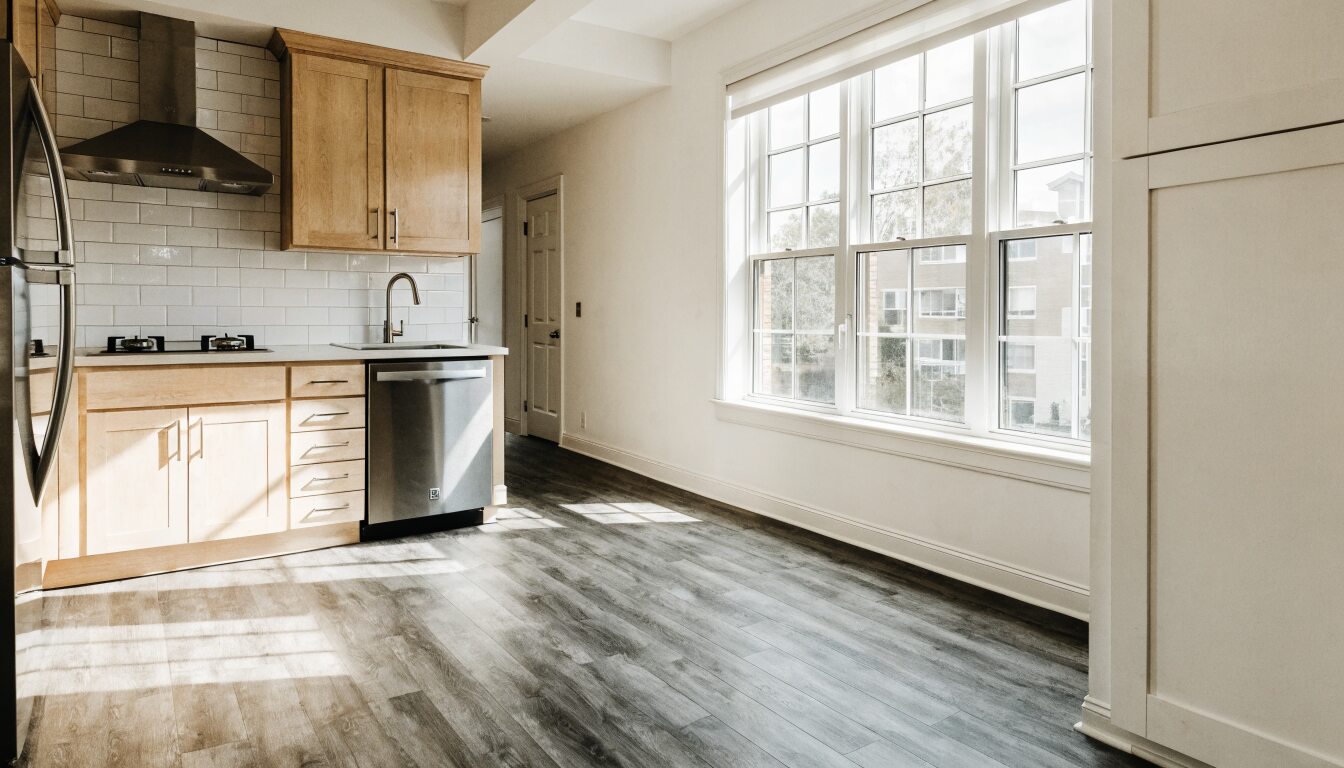
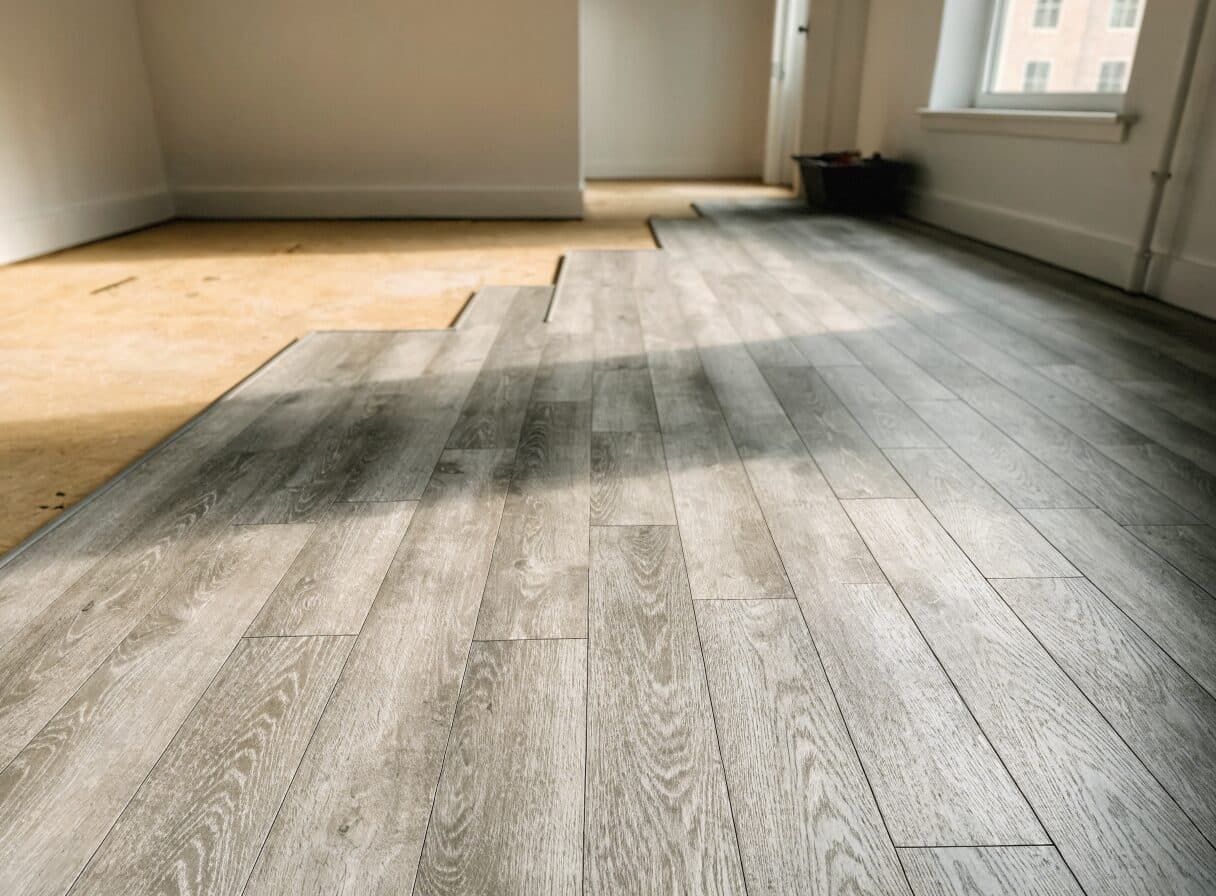
LVP throughout: entry, living, dining, kitchen, and hallway. Tile in bathroom. Durable, waterproof, and appropriate for tenancy turnover. Existing flooring removed and disposed of.
Kitchen cabinet refresh
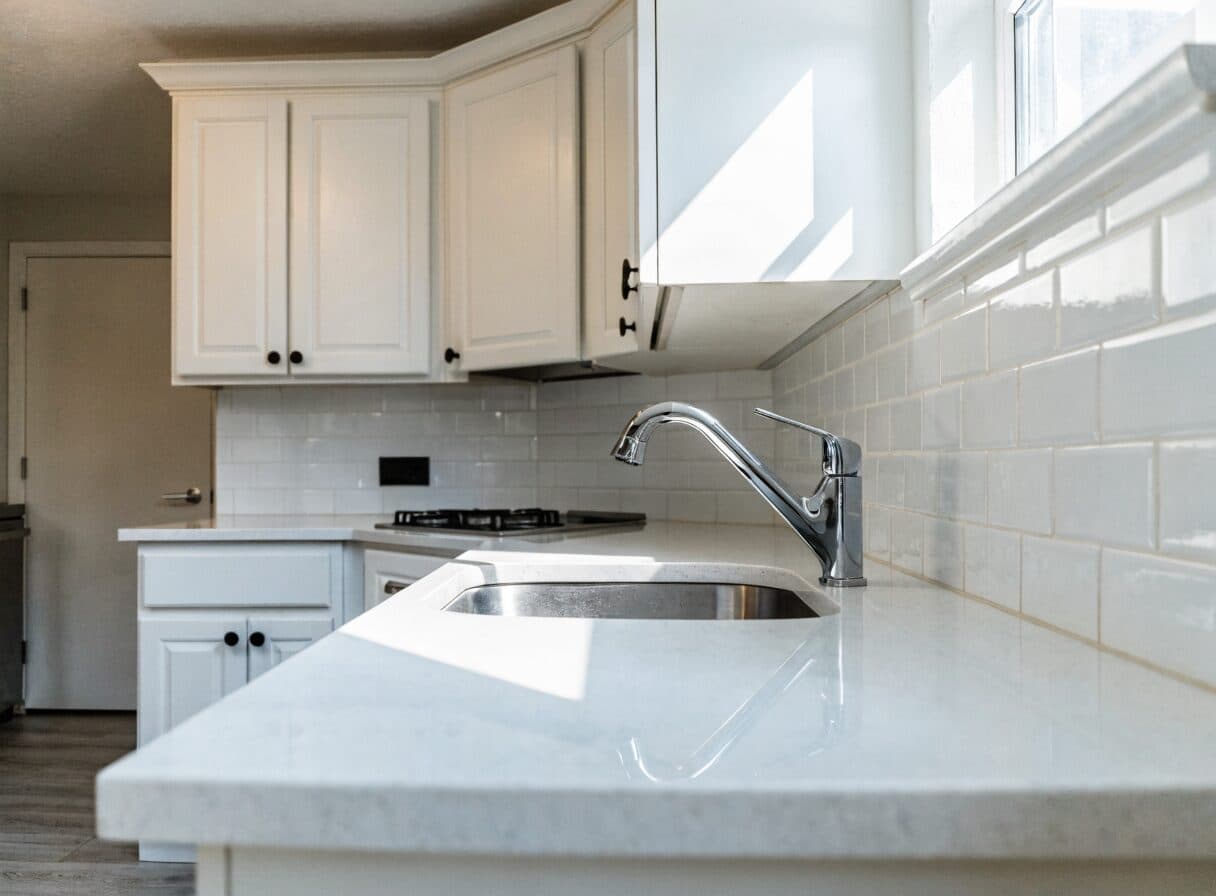
Cabinet door replacement or full cabinet swap depending on the condition of the carcasses. New hardware. New countertop (laminate or entry-level quartz). Backsplash tile where justified by the rent range.
Bathroom refresh
New vanity, toilet, fixtures, and mirror. Tub resurfacing or liner where a full tile replacement is not within the budget. Tile replacement where the existing tile is cracked or mold-damaged.
Paint
Full suite repaint including ceilings, walls, and trim in a neutral palette that suits the listing photography. Low-VOC products throughout.
Fixtures and lighting
Updated light fixtures, switch plates, and outlet covers. Faucet replacement in kitchen and bathroom. Low-cost, high-impact updates that photograph well.
Suite legalization
For non-legal secondary suites being brought into compliance: separate entry, egress windows, fire separation, smoke and CO detectors, and permit close. Full scope managed.
Details
The ROI Calculation for Vancouver Apartment Renovations
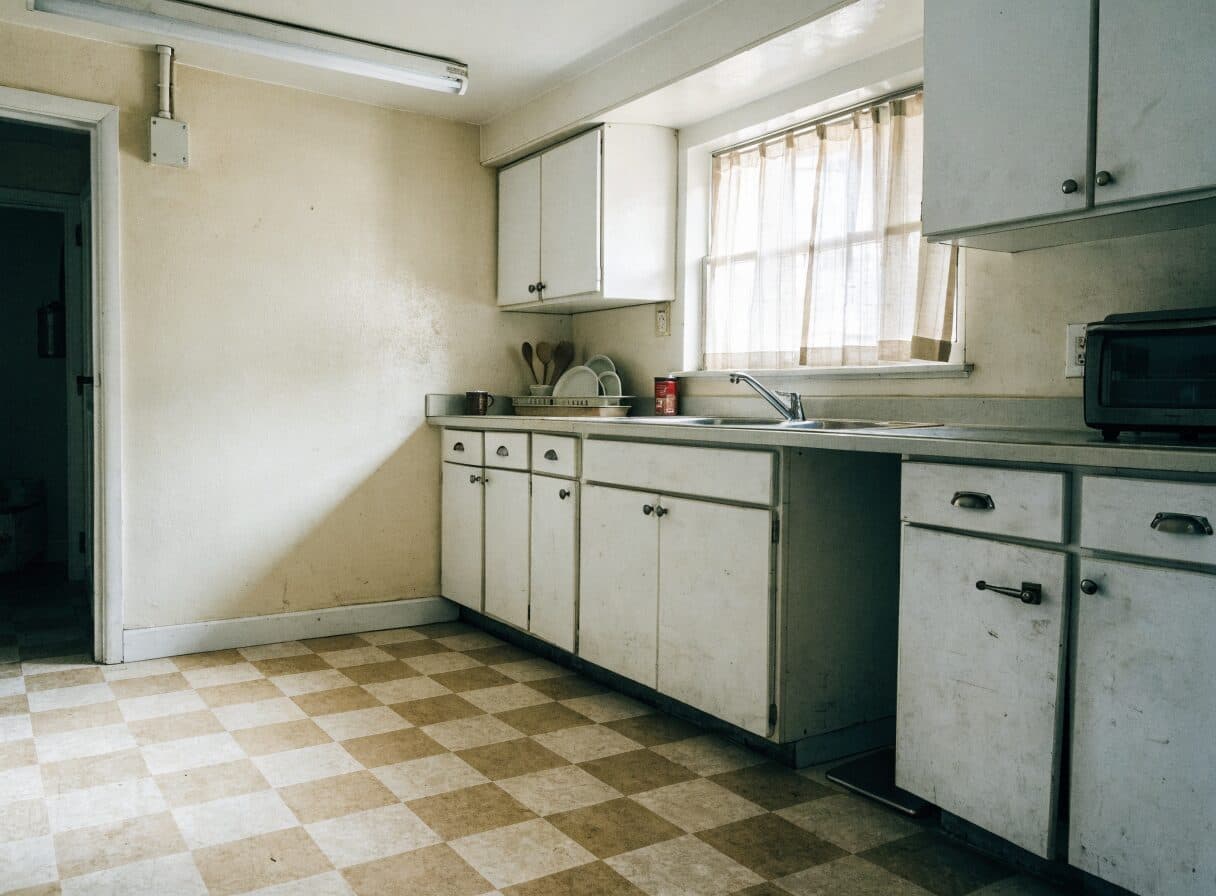
The rental housing market in Metro Vancouver is among the tightest in Canada. Vacancy rates in purpose-built rental buildings in the City of Vancouver have been below 1 percent for most of the past decade. A renovated unit in a well-located pre-strata building can command $300 to $600 per month more than the same unit in original condition. That rent premium is the basis for the renovation investment decision.
A basic refresh (flooring, paint, fixtures, and kitchen hardware) costs $15,000 to $25,000 and typically generates a rent premium of $200 to $350 per month. At $300 per month, the renovation recoups its cost in 50 to 83 months (4 to 7 years), after which the premium income is pure return. A more substantial renovation (flooring, full kitchen cabinet swap and countertops, bathroom vanity and fixtures, paint) at $35,000 to $55,000 can generate $400 to $600 per month premium in the right neighbourhood, with a payback of 5 to 8 years.
The materials tier matters as much as the scope. Laminate countertops in a $3,200 per month apartment in Kitsilano read as underinvestment and will be noted in tenant reviews and listing comments. The same laminate countertop in a $1,800 per month apartment in Surrey is appropriate and does not cost the owner rent. Matching the specification to the rent band of the building and neighbourhood produces the best return. Overspecifying in a low-rent building does not produce a proportional rent increase.
Key Points
Basic refresh: $15K to $25K. Target rent premium $200 to $350 per month. Payback 4 to 7 years.
Kitchen and bathroom update: $35K to $55K. Target rent premium $400 to $600 per month. Payback 5 to 8 years.
Spec to the rent band: overspecifying in a low-rent building does not produce a proportional rent increase
Photography-driven selection: LVP flooring, neutral paint, and updated fixtures photograph significantly better than worn originals
Vacancy window: the renovation should fit inside the vacancy. Scope that extends past 30 days starts costing uncollected rent.
Details
BC Residential Tenancy Act: What Landlords Must Know
The BC Residential Tenancy Act (RTA) governs the relationship between landlords and tenants in BC, including the conditions under which a landlord can access a rental unit for renovation purposes, and whether a tenant can be required to vacate. These rules materially affect how a renovation can be scheduled and what notice is required.
A landlord who wants to conduct repairs or renovations that require access to the unit must provide at least 24 hours written notice to the tenant and must enter at a reasonable time. For minor repairs and inspections, the tenant does not need to vacate. For substantial renovations that require the unit to be empty, the RTA permits a landlord to issue a Two Month Notice to End Tenancy for Landlord's Use of Property under Section 49 (Renovation or Repair). This notice requires 2 months of notice and entitles the tenant to one month of free rent as compensation. A Residential Tenancy Branch dispute resolution process applies if the tenant contests the notice.
Most landlord-driven apartment renovations in Vancouver happen between tenancies. The outgoing tenant vacates, the renovation is scheduled, and a new tenant is placed in the renovated unit at the updated rent. This avoids the RTA notice requirements and the tenant dispute process. The renovation must be fast enough to minimize the vacancy gap. A 2 to 4 week renovation window between tenancies is the realistic target for a basic to mid-range apartment refresh.
Key Points
Access for minor repairs: 24 hours written notice, entry at a reasonable time, tenant need not vacate
Section 49 notice for major renovation: 2 months written notice, tenant entitled to 1 month free rent
Dispute resolution: tenant can contest a Section 49 notice through the BC Residential Tenancy Branch
Between-tenancy renovation: the most practical approach. Avoids RTA notice requirements.
Vacancy cost: each week of vacancy in Metro Vancouver on a $2,500 per month unit costs the landlord $575 in lost rent
Details
Suite Legalization: Converting Non-Legal Suites
A significant portion of Metro Vancouver's rental supply consists of secondary suites that were built without permits, often in basement or ground-floor units of older single-family homes and older rental stock. These suites are functional but do not meet current BC Building Code requirements for egress, fire separation, ceiling height, or ventilation. Listing an unlicensed suite as a legal suite in an MLS listing in BC violates real estate board rules and exposes the landlord to buyer disclosure liability.
Suite legalization involves bringing the existing suite into compliance with current BC Building Code requirements: a separate private exterior entry, egress windows in every below-grade bedroom, a fire-rated assembly between the suite and the floor above, smoke and CO detectors in both units, and a closed building permit. The permit is applied for with drawings showing the existing and proposed condition. The City inspector walks the suite before and after completion.
In many cases, the primary obstacle to legalizing an existing suite is ceiling height. The BC Building Code sets a minimum of 2.0 metres over the required area of a secondary suite, and the City of Vancouver applies 6 feet 6 inches over 80 percent of the suite area and all exit routes. If the existing suite has a finished ceiling below that height, either the slab must be lowered (a major and expensive undertaking) or the ceiling must be rebuilt at the correct height where the structure permits. A site visit will confirm whether the existing ceiling height can be achieved without structural work or whether the suite geometry makes legalization impractical.
Key Points
Suite legalization permit: required to convert a non-legal suite to a legal secondary suite
Required elements: private exterior entry, egress windows, fire separation, smoke and CO detectors, closed permit
Ceiling height minimum: 2.0 metres in all habitable spaces under the BC Building Code. The most common legalization barrier, measured after the finished floor and ceiling assemblies.
MLS rules: advertising an unlicensed suite as legal in an MLS listing violates REBGV rules
Permit close: the suite cannot be legally rented as a secondary suite until the building permit is closed
Details
Pre-Strata Rental Buildings: What to Expect
Pre-strata purpose-built rental buildings in Metro Vancouver, typically 1950s through 1980s construction, are concrete frame or wood frame with concrete common corridors. They are structurally durable and often poorly maintained in the finishes. A renovation crew working in one of these buildings can expect original plumbing supply lines that may be copper but are often galvanized, bathroom plumbing that has not been touched since original installation, and kitchen electrical that predates the current requirement for dedicated circuits.
In a targeted refresh, these conditions are worked around rather than corrected. The plumbing connections are left at the existing locations. The electrical is verified to be safe and functional. The surface scope, flooring, paint, fixtures, cabinet fronts, and countertop, is delivered fast. Where the rough-in conditions require correction (a bathroom drain that is not functioning correctly, an outlet that fails an electrical safety check), the deficiency is disclosed and quoted separately before work begins. The base scope price holds for the base scope.
Key Points
Galvanized plumbing: common in 1950s to 1970s Metro Vancouver apartment buildings. Functional but aging.
Older electrical: pre-1980 suites may lack dedicated kitchen circuits. Flagged at site visit.
Targeted refresh: surface scope only, working around existing rough-in locations to keep the timeline and budget tight
Hidden conditions: disclosed in writing before any additional work proceeds. Base price holds for base scope.
Building access: typically arranged with the property manager or caretaker. Crew needs key or code access to the unit and to the freight elevator if present.
Vancouver
Apartment Renovation Across Metro Vancouver
The West End, Kitsilano, and Mount Pleasant hold the largest concentration of pre-strata purpose-built rental apartments in the City of Vancouver. Buildings in these areas command high rents relative to the renovation investment required, producing strong returns on renovation spend. East Vancouver, Joyce-Collingwood, and Renfrew have older stock with lower rents but also lower renovation costs that maintain comparable return profiles.
In New Westminster, North Burnaby, and the Tri-Cities, pre-strata apartment stock is abundant and often in the same functional condition as comparable Vancouver buildings. The renovation scope is identical. The rent premiums achievable from a renovation are somewhat lower than in core Vancouver, but the renovation costs are proportionally lower as well. The ROI model holds across the Metro Vancouver rental market.
BC Energy Step Code does not apply to renovation work in existing rental buildings where the renovation is surface-level and does not involve the building envelope or mechanical systems. A targeted apartment refresh, flooring, paint, and fixtures, does not trigger Step Code compliance. A suite legalization that involves a new exterior entry door or new windows may trigger an energy efficiency review for the affected components.
No strata process required: pre-strata purpose-built rental buildings are landlord-owned. No alteration request needed.
City of Vancouver permit: required for plumbing or electrical work, egress window installation, and suite legalization
BC Residential Tenancy Act: governs tenant access and notice requirements for renovation work in occupied units
Suite legalization permit: 4 to 8 weeks, City of Vancouver
WorkSafeBC: required on all permitted renovation jobsites, including apartment renovation
Renovation timeline: 2 to 4 weeks for a basic to mid-range refresh. Suite legalization adds 2 to 4 weeks.
Transparent Pricing
$15K–$100KApartment Renovation Vancouver Pricing
All prices in CAD. Suite legalization is priced separately based on existing conditions. City of Vancouver permit fees are additional where required.
LVP flooring throughout, full repaint, fixture and hardware updates, cabinet hardware replacement. No plumbing or electrical moves.
New cabinet doors or cabinet swap, countertop, backsplash tile, bathroom vanity and fixtures, flooring, paint. Existing rough-in locations maintained.
Full kitchen cabinet replacement, countertops, bathroom tile and fixtures, new flooring, full repaint, updated lighting and electrical where required.
Common Questions
Questions about apartment renovation vancouver
Get a Quote
Tell us about your apartment project.
Send your project details and a contractor will be in touch within one business day. Licensed, insured, WorkSafeBC registered. All prices in CAD.